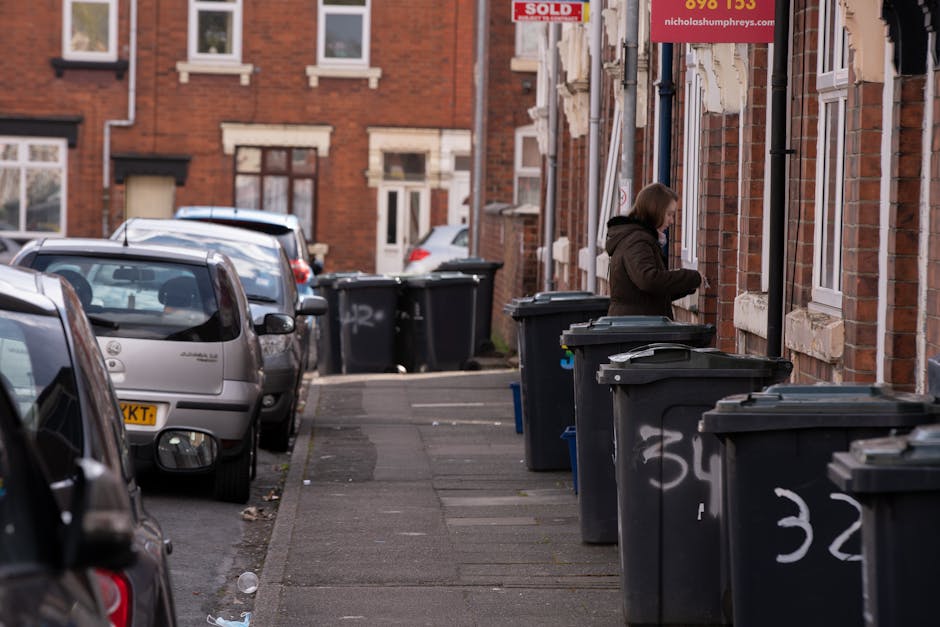
Brondesbury rubbish collection options for estate residents: a practical guide for flats, blocks and managed estates
If you live on an estate in Brondesbury, rubbish has a way of becoming everyone's problem at once. One overflowing bin store, one bulky sofa left by the lift, one half-finished clear-out in a shared hallway - and suddenly the whole block feels it. That is exactly why understanding Brondesbury rubbish collection options for estate residents matters. The right approach keeps communal areas usable, reduces complaints, and makes clear-outs far less stressful for residents, caretakers and managing agents alike.
This guide breaks down the main options in plain English: what works best for different situations, how the process usually runs, where the common headaches are, and how to choose a service that suits estate life rather than fighting against it. I'll also flag a few practical points that people often miss the first time round. To be fair, rubbish collection on estates is rarely glamorous. But done well, it saves time, avoids friction, and keeps the place feeling orderly.
Why Brondesbury rubbish collection options for estate residents matters
Estate living changes the rules a bit. In a house, you can leave a bin out and deal with a small mess later. On a shared estate, waste touches everyone: neighbours, visitors, cleaners, facilities teams, and sometimes the whole mood of the building. When collection is poorly planned, you get blocked access, smells, pests, awkward shared conversations in the lift, and that lovely London phenomenon of "someone must have done this, but nobody wants to admit it".
Brondesbury includes a mix of mansion blocks, purpose-built flats, converted buildings and managed estates, so there is no single rubbish solution that fits every resident. Some estates have tightly controlled bin stores and regular collections. Others need ad hoc bulky waste clearance, one-off flat clearance, or help with furniture, appliances or renovation leftovers. The right option depends on your access, volume, urgency and how much sorting you want to do yourself.
There is also the human side. Residents want common areas kept tidy. Building managers want services that arrive when they say they will. Concierges and caretakers want loads removed without damage to floors, doors or stairwells. And anyone moving out wants the job done quickly, ideally without a whole weekend lost to lifting, bagging and second-guessing what goes where. All fair enough.
That is why estate residents tend to benefit from a more structured service than a casual one-off disposal plan. The best rubbish collection options are the ones that reduce friction, respect shared spaces, and match the realities of apartment living.
How Brondesbury rubbish collection options for estate residents works
In practice, estate rubbish collection usually falls into one of three routes: regular municipal-style collections arranged through the estate, scheduled private collection for bulkier items, or one-off clearance when a flat, storage room or communal area needs to be emptied quickly. Each has a role. The key is knowing which one fits the job.
1. Routine bin and recycling collection
Most estates rely on standard waste and recycling arrangements for everyday rubbish. This covers household bags, general recycling and the steady stream of daily waste that keeps buildings ticking over. It is the baseline, not the whole picture.
2. Scheduled extra collections for bulky or awkward waste
Some items simply do not fit normal collections. Think old wardrobes, broken desks, mattresses, chipped furniture, or a fridge that has stopped humming at 11pm and is now a heavy metal monument in the corner. For these jobs, residents or managing agents often use a dedicated waste removal service. If you need a broader service overview, the site's waste removal page is a useful place to understand the types of loads typically handled.
3. Clearance for bigger projects
If a flat is being emptied after a move, refurbishment, tenancy change or probate situation, a more complete clearance is usually the better route. In those cases, a service such as flat clearance can be more efficient than trying to piece together lots of separate trips. Where furniture is the main issue, pages like furniture disposal and furniture clearance may also be relevant.
The process itself is usually straightforward:
- You identify what needs removing and whether the item is general waste, recycling, furniture, appliance waste, or something more specialised.
- You check access: stairs, lift size, parking, loading restrictions and bin-store entry.
- You request a quote or booking slot.
- The collection team arrives, removes the waste, and disposes of it according to the load type.
- If the service is organised well, the shared space is left tidy, and residents can get on with their day.
A small thing, but an important one: estates work best when the collection plan is based on the actual building layout. A long internal corridor, narrow lift or basement bin store can make a huge difference to timing and labour. Anyone who has tried to carry a sofa around a tight stairwell knows exactly what I mean.
Key benefits and practical advantages
The best rubbish collection option is not always the cheapest on paper. It is the one that removes the most hassle for the least disruption. For estate residents in Brondesbury, the practical benefits tend to be very clear.
- Less clutter in shared spaces - no blocked corridors, overfilled bin stores or awkward piles near entrances.
- Faster clearance of bulky items - especially useful after deliveries, upgrades, or a tenancy change.
- Better neighbour relations - fewer complaints when waste is removed cleanly and on time.
- Reduced manual handling - particularly helpful in walk-up blocks and older estates without convenient lifts.
- More predictable scheduling - useful for managing agents, caretakers and residents who need a specific time window.
- Improved recycling outcomes - when items are sorted properly rather than thrown into mixed waste by default.
There is also a practical peace-of-mind benefit. If you are clearing out an estate flat, you may be dealing with mixed items: old furniture, a mattress, a fridge, bags of soft goods, maybe a bit of builder's waste from a kitchen refresh. A single organised collection can be a lot easier than arranging multiple ad hoc solutions. For appliance-heavy jobs, fridge and appliance removal can be a more suitable route than a generic pickup.
And yes, cost matters. But on estates, the cheapest option can become expensive if it causes delays, damage, or repeated call-outs. Good planning tends to pay for itself, even if the upfront quote looks a bit higher. That's just life, really.
Who this is for and when it makes sense
This guide is especially useful if you are one of the following:
- a resident in a Brondesbury estate flat who needs a one-off rubbish collection
- a leaseholder coordinating a clear-out before sale or let
- a tenant moving out and trying to leave the place in decent shape
- a managing agent or concierge dealing with repeated waste issues
- a caretaker looking for a dependable solution for bulky items
- someone clearing a storage cupboard, loft area or under-stair space in a shared building
It also makes sense when the waste is more than what normal bins can handle. Common examples include old sofas, tables, wardrobes, mattresses, boxes of mixed rubbish, broken appliances, garden cuttings from communal areas, or leftover materials from minor refurbishments. If the job is more like a home-wide clear-out, options such as home clearance or house clearance may be better suited to the scale of the task.
Sometimes the need is not urgent, just irritating. A resident has moved out and left a few items in the hallway. A storage cage has accumulated years of "we'll deal with it later". Or a bin room has become a magnet for items nobody quite owns. In those moments, the right collection option restores order without turning it into a drawn-out estate drama.
Ask yourself a simple question: is this everyday rubbish, or is this a clear-out? That one distinction usually points you in the right direction.
Step-by-step guidance
Here is a practical way to handle rubbish collection on an estate without overcomplicating it.
- Sort the waste type
Separate general rubbish, recycling, reusable items, furniture, appliances and anything hazardous. This helps the collection team plan the right vehicle and disposal route. - Check estate rules
Some blocks have rules about loading bays, lift use, bin-store access or collection times. A quick check now avoids a grumpy conversation later. - Measure bulky items
Sofas, wardrobes and white goods can be awkward in stairwells. A rough measurement is enough if you are not sure. No need for engineering precision, unless you enjoy unnecessary stress. - Take clear photos
Photos help with quoting and make it easier to identify whether items include special waste or need extra labour. - Book the most suitable service
For a simple mixed load, waste removal may be enough. For furniture-heavy jobs, use a targeted service. For larger room-by-room clearances, a dedicated clearance page is often the better match. - Prepare access
Reserve lifts if required, make parking arrangements if possible, and keep communal routes clear. A few minutes of prep can save a lot of backtracking. - Keep people informed
If you live in a managed building, let residents or the concierge know the window for collection. It avoids confusion when someone sees a stranger carrying a mattress through the lobby at 8am. - Inspect the area after collection
Check the bin store, hallway or loading area once the job is done. It is much easier to sort a missed bag or scuff mark right away.
For loads involving soft furnishings, mattress and sofa disposal is often worth looking at specifically, because these items are bulky, awkward and not fun to move through communal spaces. Truth be told, nobody ever says "great, another sofa to carry down two flights of stairs."
Expert tips for better results
After plenty of estate clearances and shared-building pickups, a few habits stand out as genuinely helpful.
Keep one load type per booking where you can. Mixed loads are common, but if you can group furniture separately from general rubbish, the job often becomes simpler and tidier. That clarity helps everyone.
Use the building layout to your advantage. If there is a rear access point, service entrance or loading bay, plan around it. A front-door-only collection is workable, but it is not always the smoothest option.
Do not leave sorting until collection day. The half-hour before a crew arrives is the worst time to discover the broken lamp is actually mixed with old paperwork, a loose mirror and a bag of paint tins. Give yourself a buffer.
Think about reuse before disposal. Not everything needs to become waste. If a cupboard, chair or desk is still usable, set it aside. Sustainable waste handling is usually better for everyone, and it reduces what needs moving through the estate in the first place. The site's recycling and sustainability page is a sensible companion read if you want to think a bit more carefully about disposal choices.
Plan around neighbours' routines. Morning school runs, delivery periods and peak commuter times can all make access messy. Mid-morning is often calmer in apartment blocks, though that depends on the building. You know your block better than any generic advice ever could.
Ask the right question when getting quotes. Not just "how much?" but "what is included, how is access handled, and are there any items that need special treatment?" That saves awkward surprises.
One more practical point: if you are dealing with a slightly sensitive or confidential clear-out, for example paperwork mixed into an office-style storage area, confidential shredding is a useful specialist option rather than treating everything as mixed waste.
Common mistakes to avoid
Most rubbish collection problems on estates are preventable. The trouble is, people often make the same small mistakes and then wonder why the job turned into a headache.
- Assuming everything can go into general waste - appliances, certain building materials and some other items may need separate handling.
- Not checking access restrictions - a collection team may not be able to use a lift, or a parked car may block the route.
- Leaving waste in communal areas too long - this can create complaints, obstructions and sometimes building policy issues.
- Forgetting about awkward items - one sofa or mattress can change the entire plan.
- Booking too late - if you are moving out or preparing a flat for handover, last-minute scrambling rarely ends well.
- Ignoring hazardous items - paint, chemicals and some electrical waste need careful consideration. If in doubt, treat them separately.
- Choosing a service without confirming the load - a company may quote based on a small pickup and then need to revise once they see the actual pile.
Another mistake is overthinking the whole thing and putting it off for weeks. Happens all the time. The pile grows, the hallway gets narrower, and everyone starts quietly avoiding the area. If that sounds familiar, don't worry - it is fixable, and usually faster than people expect.
Tools, resources and recommendations
You do not need fancy software or specialist kit to organise estate rubbish collection, but a few simple tools make the process much easier.
- A phone camera - useful for recording the load and sharing photos for a quote.
- Measuring tape - handy for bulky items, lift widths and awkward corners.
- Labelled bags or piles - one pile for reuse, one for recycling, one for disposal. Old-fashioned, but it works.
- Building access notes - gate codes, loading bay instructions, permit details and concierge timings.
- Neighbour or resident notice - a quick message to prevent confusion around collection times.
For residents dealing with seasonal outdoor tidying, a service such as garden clearance can also be relevant, especially where a shared courtyard, patio or communal planting area has generated green waste. And if the job includes a cupboard, garage-like store or basement space, garage clearance can be surprisingly useful even when the space is not literally a garage.
If you are comparing different service types, it can help to look at the site's pricing and service pages together. The pricing and quotes page gives you a better sense of what to ask for, while book online is the natural next step once you know what needs removing. That combination keeps the process simple. Refreshing, really.
Law, compliance, standards and best practice
Waste collection in shared residential buildings is not just about convenience. There is a compliance angle too, and estate residents benefit from treating it seriously without getting lost in jargon.
In the UK, householders and managing agents should think carefully about where waste ends up, how it is stored, and whether the chosen service can handle it properly. Good practice includes keeping waste out of fire escape routes, avoiding blocked communal access, and making sure anything hazardous or unusual is dealt with separately. That is especially relevant in larger blocks where one person's clutter can become everyone's evacuation problem. Nobody wants that conversation.
Best practice for estates usually includes:
- using proper collection channels for bulky or mixed waste
- keeping shared areas clear and safe
- separating recyclables where practical
- checking how electrical items, liquids and other special materials should be handled
- working with providers who can explain their process clearly
If you are ordering removal for a managed building, it is sensible to ask about insurance, handling methods and site safety. The company's insurance and safety information and health and safety policy are useful trust signals for that reason. They show the business is thinking beyond the quick pickup and into the realities of shared access, lifting and on-site care.
For certain waste streams, specialist handling is simply the right approach. That includes items that may be unsafe, messy or difficult to dispose of responsibly. If you are unsure, it is better to ask before collection day than to discover the issue at the kerb. A quick check beats a complicated problem every time.
Options, methods, and comparison table
Different estate situations call for different collection methods. Here is a straightforward comparison to help you decide.
| Option | Best for | Strengths | Possible drawbacks |
|---|---|---|---|
| Routine bin collection | Everyday household waste and recycling | Simple, regular, low effort | Not suitable for bulky or mixed clear-outs |
| Ad hoc waste removal | Bulky items, mixed bags, occasional extra waste | Flexible, quicker than waiting for standard services | May need access planning and a clear item list |
| Flat clearance | Whole-flat moves, end-of-tenancy clear-outs, inherited flats | Efficient for larger volumes, less piecemeal work | More planning needed, especially in blocks with restricted access |
| Furniture or appliance disposal | Sofas, beds, wardrobes, white goods | Purpose-built for awkward items | Items must be identified correctly before booking |
| Specialist clearance | Builders' leftovers, lofts, garages, garden waste | Matches the waste type closely | May not suit very small loads |
In practical terms, most estate residents end up choosing between two questions: is this a small collection, or is it a bigger clear-out? Once that is clear, the rest gets much easier. If the waste is mostly building debris after a home update, builders waste clearance is the better fit. If it is a storage area full of mixed household clutter, a broader service may be more appropriate.
Case study or real-world example
Imagine a resident in a Brondesbury estate flat who has just finished redecorating. The new paint is dry, the curtains are up, and then reality arrives: an old sofa, a broken coffee table, two boxes of packaging, a dusty lamp, and a fridge that has been sitting in the kitchen corner for weeks because nobody wanted to deal with it. The hallway is narrow, the lift is small, and the concierge wants the common areas kept clear. Not exactly a dream Saturday.
In that kind of situation, a mixed approach is usually best. The furniture goes as part of a dedicated furniture disposal or clearance booking. The appliance is handled through a suitable fridge and appliance removal service. The packaging and smaller bits can be grouped for general waste removal. If there are leftover screws, scraps or broken shelving from the decorating work, those can be assessed separately so they are not just dumped into the wrong stream.
What tends to make the difference is preparation. When the resident measures the sofa, checks lift access, sets aside the items neatly and books one coordinated collection, the whole thing feels manageable. If they leave it all until the day before lease handover, it becomes one of those jobs that somehow gets bigger at 9pm. We have all seen that movie.
The best outcome here is not just that the rubbish disappears. It is that the estate remains calm, the flat is ready, and nobody has to tiptoe around an eyesore in the corridor for another three days.
Practical checklist
Use this quick checklist before arranging collection on your estate:
- identify exactly what needs removing
- separate general waste, recycling, furniture, appliances and hazardous items
- measure any bulky items and check access routes
- confirm whether the estate has parking, lift or loading rules
- take clear photos of the load if you need a quote
- choose the most suitable service type for the job
- inform the concierge, caretaker or neighbours if needed
- keep communal routes clear on the day
- check the collection area afterwards
- save the provider's terms and details for future use
If the job involves furniture, a flat, or a broader household clear-out, it may help to compare the relevant service pages before you book. A little time spent up front often saves a lot of hassle later.
Conclusion
For estate residents in Brondesbury, rubbish collection works best when it is organised around the realities of shared living: limited access, common areas, neighbour awareness and the need to keep everything safe and tidy. The right option might be a routine collection, a bulky waste pickup, a furniture disposal service, or a more complete flat clearance. There is no prize for making it harder than it needs to be.
The good news is that once you match the waste type to the right service, the whole process becomes far less stressful. You get cleaner spaces, fewer complaints, and a building that feels easier to live in. That matters more than people often admit. And honestly, there is a lot to be said for a hallway that smells like fresh air instead of old cardboard.
Get a free quote today and see how much you can save.
Sometimes the smallest bit of organisation makes the biggest difference. One tidy collection, and the whole place breathes easier.
Frequently Asked Questions
What are the best Brondesbury rubbish collection options for estate residents?
The best option depends on the waste type and how much there is. Routine bin collection works for everyday rubbish, while bulky waste, furniture disposal and flat clearance are better for larger or awkward items.
Can I leave bulky items in a communal hallway on an estate?
Usually no, or at least not for long. Shared hallways and entrances need to stay clear for residents, visitors and emergency access. It is better to arrange a proper collection as soon as possible.
Do I need permission from the managing agent before booking a collection?
Sometimes yes, especially if the collection needs parking, loading bay use, lift access or a service route through common areas. A quick check with the managing agent can prevent problems on the day.
How do I know whether I need waste removal or flat clearance?
If you have a small mixed load, waste removal may be enough. If you are clearing most of a flat, or dealing with a move-out or end-of-tenancy situation, flat clearance is usually the better fit.
What happens to furniture collected from an estate flat?
It is usually removed for sorting, reuse where possible, recycling where practical, and disposal where necessary. The exact handling depends on the item and its condition.
Can appliances like fridges be collected from a Brondesbury estate block?
Yes, but they are best handled as part of a specialist appliance removal service because they are heavy and sometimes need separate treatment from general rubbish.
Is it cheaper to wait until I have more rubbish before booking?
Not always. Waiting can make the load bigger and harder to manage, especially if it includes bulky items. Sometimes a timely small collection is actually the smarter choice.
What should I do with mixed rubbish after a renovation or decorating job?
Separate obvious building leftovers from general rubbish where you can. For construction-style waste, builders waste clearance is usually more suitable than a standard household collection.
Are hazardous items allowed in normal estate rubbish collection?
Generally they should be handled separately. Paint, chemicals and other hazardous materials need careful assessment, so it is best to ask before mixing them into general waste.
How far in advance should I book a collection?
As soon as you know the load and access details. If you are moving out, clearing a flat or coordinating with neighbours, booking earlier gives you far more breathing room.
What if I only have one awkward item, like a sofa or mattress?
That is still worth booking properly. A single large item can be surprisingly difficult to move through an estate building, so sofa disposal or mattress disposal services are often the most sensible choice.
Can rubbish collection help improve estate living overall?
Yes. Cleaner shared spaces, fewer blocked routes and less lingering clutter all make a big difference. Small practical improvements tend to improve the feel of the whole building, almost quietly.