Commercial Waste in Kilburn
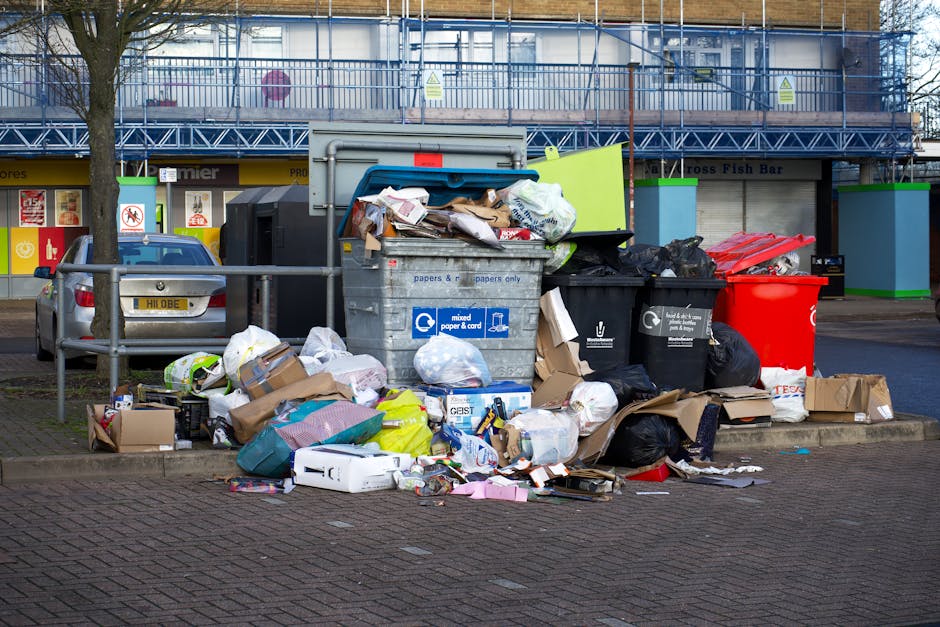
Commercial waste in Kilburn needs a practical, organised approach so business premises can keep moving without clutter, missed collections or unsuitable disposal routes. We provide commercial waste removal for offices, shops, hospitality venues, studios, managed buildings and other workplaces that need regular or one-off clearance of general business rubbish. The aim is simple: remove the waste that your team no longer needs and direct it towards a suitable handling route, with clear communication about what can be taken and what may need separate treatment.
Our service is designed around common commercial materials such as mixed office waste, packaging, display items, redundant fixtures and light refurbishment debris. We also handle larger items where they form part of a broader business clear-out, including desks, chairs, shelving and storage units. If you need a one-off clearance after a move, refit or stock change, or a more regular arrangement for accumulated waste, the service can be shaped around the load and the premises. Tell us what needs removing and we can discuss the most suitable next step.
The easiest way to begin is to request a quotation with a brief description of the waste, the premises type and any access details that may affect collection. If you already know that certain items need special handling, mention them early so the right arrangement can be made. For straightforward jobs, the process is usually quicker when you can indicate what should stay on site and what should go. Commercial Waste Kilburn is focused on helping local businesses keep disposal clear, lawful and workable.
Office and workplace waste
Office waste often builds up in layers rather than arriving all at once: surplus filing, damaged furniture, obsolete equipment, packaging from deliveries and general day-to-day rubbish all accumulate in corners, stores and meeting rooms. Our office waste removal is intended for that kind of mixed workplace clearance. It is useful when a team is moving desks, reducing storage, updating furniture or simply trying to clear a back room that has become difficult to manage. The service can cover individual items or fuller clearances depending on the scale of the load.
We can remove a range of common office items, including chairs, tables, cabinets, reception furniture and non-confidential paper waste. Where shredding or specialist disposal is needed, those items should be identified separately so they can be treated appropriately rather than folded into a general collection. For businesses with a phased office change, a clear distinction between reusable, recyclable and disposable items helps the work proceed more smoothly and avoids avoidable handling on the day.
For businesses planning a clearance, it helps to think through what is being removed and what is staying in place. A short inventory, a few photos and any restrictions on access or loading space are often enough to make the quotation process straightforward. If the waste is spread across several rooms, mention that too, because distribution can affect the time and loading method. For a simple start, you can ask for a pricing and quotes review alongside your waste description.
Business rubbish collection and mixed commercial loads
Business rubbish collection is often about dealing with mixed loads rather than a single material stream. Shops, studios, workshops and smaller premises may generate packaging, broken fittings, stockroom waste, light scrap and general refuse at the same time. Our commercial waste service is built to take that mixed character into account, so you are not left trying to sort everything into separate jobs when the practical answer is a combined collection. The focus is on removal that is sensible for the load and clear about any limitations.
Different materials may need different handling, and that is especially true where waste includes items with electrical parts, liquids, chemicals or damaged materials that are not suitable for standard general removal. It is better to mention those items early than to discover on site that they need an alternative route. Mixed loads also benefit from simple separation by the client where possible: recyclable cardboard, reusable furniture, general rubbish and anything requiring special treatment can usually be identified in advance with little effort.
When arranging a collection, accuracy matters more than volume. A short list of the main items, an estimate of how much space they occupy and a note about lifting or parking restrictions can make the quotation more representative. If the load is part of a refit, stock change or premises handover, say so, because that helps define the scope without overcomplicating the job. For direct contact details and next steps, use the contact page when you are ready to enquire.
Furniture, fixtures and bulky items
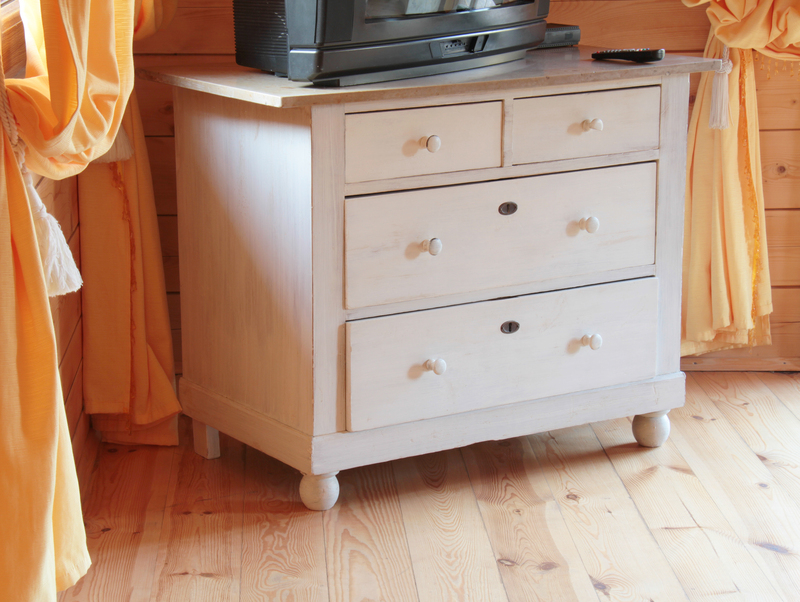
Bulky business items usually need more planning than sacks of general waste because they affect access, lifting and storage space as well as disposal. Our furniture and bulky-item removal is suitable for desks, chairs, shelving, counters, cabinets and other workplace fittings that no longer serve the premises. This can be useful during office refreshes, shop rearrangements, end-of-tenancy clearances or after a design update has made older furniture surplus to requirements.
Where furniture is still reusable, it may be separated from damaged or broken items so the removal can be handled appropriately. We can also deal with certain fixtures and fittings where they form part of a clearance, although embedded items, heavy built-ins and dismantling requirements should be described in advance. For larger pieces, it is often worth noting whether they must pass through narrow corridors, stairs or shared entrances so the collection can be planned around the site rather than forced into it.
There is often a straightforward decision to make between keeping a piece in storage and removing it now. If an item no longer has a practical role, it may be better to clear it alongside the rest of the load instead of moving it from one room to another. Where you want to compare disposal options for a specific type of item, the furniture disposal page offers a useful route into that topic.
Clearances for shops, studios and shared premises
Commercial premises vary widely, and that affects how waste needs to be removed. A shop may have packaging, display materials and old shelving; a studio may have consumables, offcuts and storage clutter; a shared building may need waste removed from a common area without disrupting neighbours or other tenants. Our clearance work is therefore shaped around the premises itself as well as the items present, with attention to access, timings and the condition of the load.
Where business waste is spread across customer-facing and back-of-house areas, the sequence of removal matters. Some sites benefit from a room-by-room approach, while others are quicker if the waste is gathered in one accessible point before collection. If the premises contain items that belong to different parts of the business, it is helpful to identify them clearly so nothing is taken by mistake. The objective is a tidy, controlled clearance rather than a rushed sweep through the whole property.
For a broader overview of how collections are organised, you can look at our business waste removal page. It is useful when the load is part of an ongoing commercial arrangement or a substantial one-off clear-out. If you want to move on quickly, keep your enquiry practical: list the main items, mention floor level and access constraints, and say whether anything needs dismantling before removal.
What can be removed from business premises

Many commercial jobs include a mixture of ordinary rubbish and specific item types that need to be identified in a slightly different way. That may include office furniture, household-style items from staff areas, appliances from kitchens or break spaces, and general waste from stockrooms or refurbishing work. Not every item belongs in the same collection stream, so the important step is to separate what is safe and suitable for the proposed service from anything that needs special handling or an alternative route.
Some businesses only need help with a small number of surplus items, while others have a much broader list. That is why a clear description matters: it reduces confusion and helps set expectations about the size of the job. If you are unsure whether a particular object is suitable, you do not need to make a technical judgment yourself. A simple note describing the item, its condition and where it is located is usually enough to begin the conversation. From there, the collection can be shaped around what is actually present.
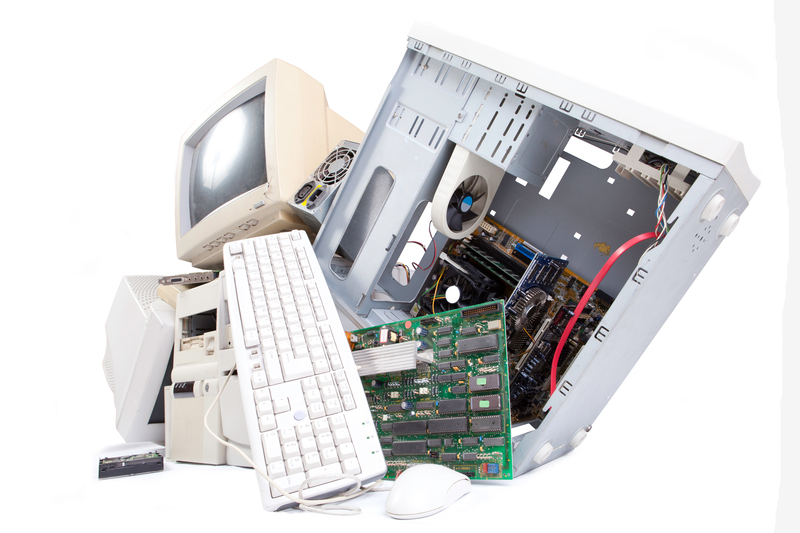
Common commercial items may include surplus desks, chairs, storage units, cardboard, packaging, broken display materials, and light equipment that is no longer required. If your load contains specialist waste, it is better to say so plainly rather than leave it hidden in a broader description. This is especially important when office work includes confidential papers, old electronics or items with components that should not be mixed with standard waste. If useful, you can also review our confidential shredding information for a separate handling route.
Pricing factors and quotation planning
Commercial waste quotations usually depend on the type of items, the amount to be removed, the ease of access and whether any materials need extra handling. A compact load in an easy-to-access ground-floor store room is different from a mixed clearance spread across several rooms or floors. Price is therefore linked to the actual work involved rather than to a generic assumption about business waste, which is why a short and accurate description is so valuable at the start.
The most useful information is practical rather than polished. Tell us what the items are, where they are located, how much space they occupy and whether there are any access issues such as narrow corridors, parking limits or shared entrances. If the clearance must happen around opening hours or other site activity, that is worth mentioning too. Clear information helps the quotation reflect the job without unnecessary back-and-forth, and it usually makes scheduling simpler once the scope is agreed.
For a straightforward enquiry, you can use our book online page or send a description through the contact form when you are ready. If you are comparing likely collection sizes or item groups, the waste removal page gives a broader starting point for the service. Either way, the aim is to match the collection method to the load, rather than forcing your business waste into a one-size-fits-all arrangement.
Special handling for appliances and restricted items
Some commercial clearances include items that cannot simply be treated as ordinary rubbish. Office kitchens, staff rooms and storage areas may contain fridges, small appliances or other equipment that requires separate attention. In other settings, the presence of restricted materials means the collection needs to be planned carefully so the right route is used from the outset. The more specific the information, the better the arrangement can be matched to the items involved.
We can help with suitable business items that fall into appliance-related or controlled categories where the load and circumstances are appropriate. It is still important to flag these items clearly, because their presence changes the handling process and may affect how the work is set out. If a clearance includes broken equipment alongside standard office waste, the items should be grouped sensibly so the special pieces are not missed or mixed in without explanation. That keeps the work orderly and reduces delays on the day.
For businesses with a concentrated appliance load, the relevant route is the fridge and appliance removal service. More sensitive or potentially problematic materials should be described honestly at the enquiry stage so the right disposal approach can be confirmed. If you are also dealing with items that carry hygiene or safety concerns, the separate hazardous waste disposal page may be the more suitable place to start.
About Kilburn

Kilburn is a north-west London district with a long, layered identity that crosses historic county boundaries and modern borough lines. The area is known for Kilburn High Road, a busy transport and retail corridor that has shaped the neighbourhood’s daily life for generations, and for the proximity of Kilburn Grange Park, a valuable open space that gives the district a calmer green counterpoint. The name itself is old, and the locality developed around earlier settlements, routes and landholdings rather than as a single planned centre. That older pattern is still visible in the mix of streets, terraces and commercial frontages that sit alongside later infill development. The district also has strong links with neighbouring parts of Brent and Camden, so its character is partly that of a boundary place: urban, diverse and stitched together by movement along the High Road and surrounding streets. Architectural variety is one of its notable features, from Victorian and Edwardian housing to later apartment buildings and retail units that reflect changing patterns of occupation. Cultural life has also been a thread through Kilburn’s story, with cinemas, pubs, performance spaces and local businesses contributing to its identity over time. Even where individual buildings have changed use, the district retains a sense of continuity through its street pattern, public spaces and active road network. That combination of transport access, built history and varied local character makes Kilburn recognisable as more than just a passing place on the map.
Builders’ waste and refurbishment debris
Commercial premises often produce renovation waste at the same time as day-to-day rubbish. A refit may leave plasterboard offcuts, packaging, broken fittings, old shelving, timber scraps and other material that no longer has a place on site. Our builders’ waste clearance is intended for that kind of light commercial refurbishment load, especially where the waste needs removing once the main work is finished and the premises must be handed back in a cleaner state.
Not every construction-related item belongs in the same collection, so it helps to be precise about what is on site. Loose rubble, heavy mixed demolition waste and controlled materials may require different arrangements, while lighter mixed debris from an office refresh or shop fit-out may fit the service well. If the load contains both old furniture and refurbishment debris, it is sensible to list each category so the collection can be planned with the full picture in mind. That reduces confusion and keeps the scope clear.
Where the waste is clearly connected with alteration or repair work, the most relevant route is the builders’ waste clearance page. If the job includes heavy demolition by-products or a more complex material mix, further discussion may be needed before the quotation is finalised. The key is to describe the waste honestly, rather than to separate it into artificial categories that do not reflect what is actually present.
Recycling, reuse and responsible handling

Responsible commercial waste handling is not only about taking items away; it is also about giving each type of material the most suitable route where possible. Furniture may be reusable, cardboard may be recyclable, and certain appliances need distinct treatment because of their components. Our approach is to keep those distinctions in mind so the removal reflects the nature of the load rather than treating every item as identical. That matters for businesses that want clearer control over what leaves the premises.
It is often helpful to think of a clearance in categories. One pile may be for furniture, another for general rubbish, and another for anything that needs special treatment or separate handling. This is not about making the job complicated; it is about making it legible. When the materials are clear, the quotation can be more accurate and the collection easier to organise. If you are not sure whether items should be grouped together, you can still describe them in plain terms and let us help separate the practical from the exceptional.
Businesses that want more detail on this part of the service can look at recycling and sustainability. When you are ready to move forward, keep your message simple and specific: what needs removing, where it is, and what must stay. Request a quotation if you would like a clear next step for your commercial waste in Kilburn.