Kilburn High Road rubbish removal guide for residents NW6
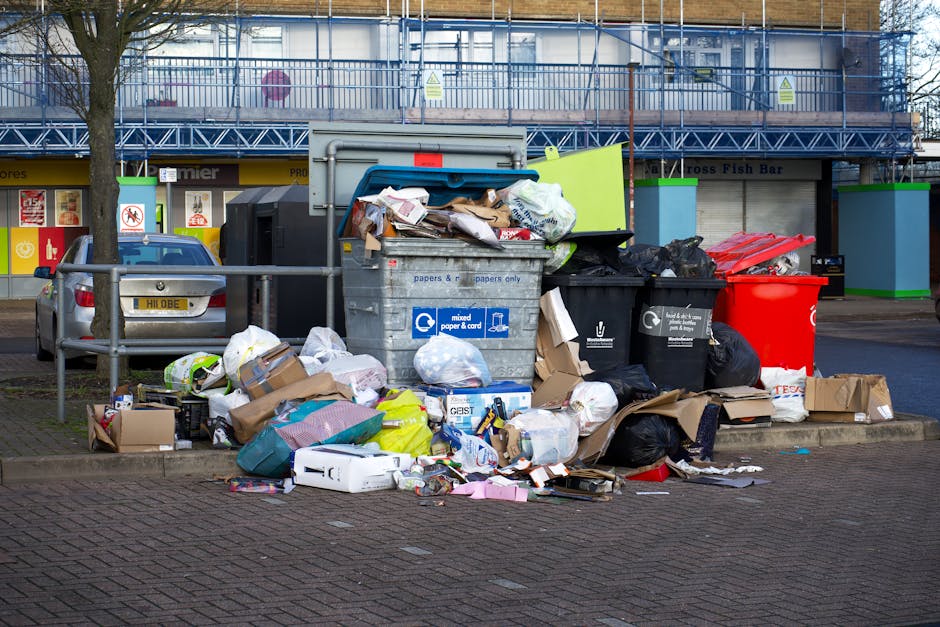
If you live near Kilburn High Road, you already know the rhythm: busy pavements, tight frontages, basement flats, shared entrances, and not much patience for bags piling up outside. A proper Kilburn High Road rubbish removal guide for residents NW6 should make life simpler, not more confusing. That is the aim here. Whether you are clearing a flat, dealing with old furniture, shifting renovation debris, or just trying to get on top of a very normal but very annoying build-up, this guide explains how rubbish removal works in practice, what to watch out for, and how to choose the right method without wasting time or money.
Let's face it, rubbish is only "just rubbish" until it starts blocking a hallway, attracting complaints from neighbours, or becoming a health and safety headache. A few sensible decisions now can save a lot of faff later.
- Why this matters in NW6
- How rubbish removal works
- Key benefits and practical advantages
- Who it is for
- Step-by-step guidance
- Expert tips
- Common mistakes to avoid
- Tools, resources and recommendations
- Law, compliance and best practice
- Options and comparison
- Real-world example
- Checklist
- Conclusion
- Frequently asked questions
Why Kilburn High Road rubbish removal guide for residents NW6 Matters
Kilburn High Road is one of those places where space is always at a premium. Residents in NW6 often deal with shared stairwells, narrow access, busy loading conditions, and buildings where rubbish can't simply be left out and forgotten. That makes rubbish removal more than a tidy-up task. It becomes part logistics, part neighbour management, and part risk control.
For many households, the biggest issue is timing. A couple of bin bags can wait for collection day. But once you have broken furniture, loft clutter, old appliances, or post-renovation waste, the usual bins stop being enough. In a street like this, leaving waste outside is not a harmless shortcut. It can create an eyesore within hours, and in some situations it can draw complaints or even enforcement attention. Nobody wants that on a Tuesday morning.
There is also the practical side. Many NW6 residents live in flats, maisonettes, converted terraces, or shared blocks. That means waste often has to move through communal areas, which adds the need for care, quietness, and a bit of common sense. A well-planned clearance keeps hallways clear, protects walls and floors, and avoids the "who left this here?" conversation that no one enjoys.
Expert summary: The best rubbish removal on Kilburn High Road is the one that fits your access, your schedule, and your waste type. Fast is good. Safe is better. Neat is best of all.
How Kilburn High Road rubbish removal guide for residents NW6 Works
In simple terms, rubbish removal is the process of collecting, loading, transporting, sorting, and disposing of unwanted items in a way that meets local and environmental expectations. For residents, it usually falls into a few familiar categories: general household rubbish, bulky waste, furniture, appliance disposal, garden waste, and builders' waste.
The workflow is usually straightforward. You identify what needs to go, check whether any items need special handling, estimate how much space the waste will take, and then arrange collection or clearance. The detail matters, though. A bag of old clothes is very different from a damaged fridge, and a pile of broken plasterboard is not the same as a stack of cardboard.
For residents near Kilburn High Road, service providers often need to think about access first. Can a vehicle stop safely? Is there a lift? Are there stairs? Is the waste inside the flat, in a basement, or in a rear yard? These small questions shape the job more than people realise. Truth be told, a "simple" collection can become awkward fast if access is underestimated.
Some people also choose a broader home clearance approach when the waste is mixed and spread across several rooms. If that sounds familiar, home clearance can be a practical fit, especially when the aim is to empty, reset, and move on rather than just shift one item. For more contained jobs, flat clearance is often the cleaner, more efficient route in apartment-heavy parts of NW6.
Key Benefits and Practical Advantages
A good rubbish removal service does more than remove clutter. It saves time, reduces stress, and prevents the awkward half-finished stage where waste sits in the corner for three days because no one has a van. Not glamorous, but very real.
Here are the main benefits residents tend to notice:
- Speed: one organised collection can clear what would otherwise take several trips and a whole weekend.
- Convenience: heavy or awkward items are carried out for you, which matters a lot if you live upstairs.
- Cleaner common areas: less time blocking hallways, entrances, or front paths.
- Safer handling: fewer chances of injury from lifting, dragging, or carrying bulky items down stairs.
- Better sorting: waste can be separated more intelligently for recycling or specialist disposal.
- Less disruption: a focused clearance is usually quieter and less messy than piecemeal DIY disposal.
There is also a psychological benefit people underestimate. Seeing one room finally clear can shift the whole mood of a home. The air feels lighter. Sounds a bit dramatic, maybe, but anyone who has had a spare room full of boxes and broken furniture knows exactly what I mean.
If your waste includes old mattresses, sofas, or other bulky soft furnishings, it may help to look at dedicated options like mattress and sofa disposal or broader furniture disposal. Those items are awkward in the real world, not just on paper. They take up more room than you think.
Who This Is For and When It Makes Sense
This guide is useful for anyone in NW6 who has waste that is too much for normal bins but not quite a full construction project. That includes renters, leaseholders, homeowners, landlords, letting agents, and people managing a move or refresh in a flat or house off Kilburn High Road.
It makes sense when you are dealing with any of the following:
- End-of-tenancy rubbish and leftover household items
- Clear-outs after a move
- Furniture that is too heavy or damaged to move yourself
- Loft, garage, or spare-room clutter
- Small renovation waste
- Garden waste from trimming, pruning, or seasonal tidy-ups
- Office or business waste from a local commercial unit
If you are dealing with a larger property or a full reset, a more comprehensive service may be more practical. In that case, house clearance or loft clearance may suit the job better than a simple one-off collection. Likewise, if the mess is mostly in the garage or outside storage, garage clearance or garden clearance can be more efficient than trying to treat it as general rubbish.
Businesses on or near the road have different needs again. If you are managing waste from a shop, small office, studio, or workspace, business waste removal is usually the better fit. It keeps the job more organised and avoids mixing business waste with domestic clear-outs.
Step-by-Step Guidance
If you want a smooth clearance, do the boring prep first. It really does make the whole thing quicker.
- Sort the waste by type. Keep general rubbish separate from bulky items, electrics, and anything potentially hazardous.
- Decide what actually needs to go. This sounds obvious, but many clear-outs get bigger because people keep adding "maybe later" items.
- Check access. Measure stairways, note lift availability, and think about where a vehicle could stop safely.
- Identify specialist items. Fridges, freezers, paint, chemicals, and some DIY materials may need separate handling.
- Choose the right service type. Match the job to the waste, not the other way around.
- Ask about loading and clearance method. If waste is inside a flat or tucked away in a yard, confirm how it will be removed.
- Prepare the area. Move pets, clear a path, and protect anything you want to keep.
- Keep paperwork and payment details ready. It saves last-minute scrambling, especially if the collection window is tight.
A useful rule of thumb: if the waste is mixed, heavy, and slightly awkward, take a minute to pause before booking. That pause often prevents an expensive mismatch. For example, a builder's skip may be ideal for renovation debris, but not for a flat where access is restricted and the waste is spread across floors. In those cases, builders waste clearance can be a more flexible option.
Expert Tips for Better Results
These are the small things that make a clearance feel easy rather than stressful. Nothing magical. Just practical habits from years of seeing what works.
- Group similar items together. It speeds up loading and helps with sorting.
- Keep fragile items separate. Broken glass in mixed waste is a nuisance and a safety issue.
- Don't overfill bags beyond what you can safely lift. The bag may survive. Your back might not.
- Photograph the waste before collection if there is any ambiguity. It can help avoid misunderstandings later.
- Book the right time of day. Early slots can be easier on busy roads and help avoid peak foot traffic.
- Ask about recycling. If sustainability matters to you, choose a provider that treats recycling as part of the process, not a slogan.
For electrical appliances, make sure they are handled properly. A washing machine is not just "another item," and a fridge brings extra considerations. If you need it, fridge and appliance removal is the safer route. It is the kind of thing you want done properly the first time, not with guesswork.
One more thing. If you live in a block where neighbours notice everything - and on Kilburn High Road, they often do - try to keep the collection window tight and the path clear. It sounds small, but it makes a big difference to how the job feels on the day.
Common Mistakes to Avoid
The most common mistake is underestimating the volume of waste. Bags that looked manageable in the bedroom can become a mini mountain once they are grouped together in the hallway. It happens all the time.
Other mistakes include:
- Mixing hazardous waste with general rubbish. This can create safety and compliance problems.
- Leaving everything to the last minute. That is how rushed decisions get made.
- Ignoring access issues. A narrow stairwell or tight parking bay can change the whole job.
- Forgetting about heavy appliances or bulky furniture. These need planning, not optimism.
- Assuming all waste can go anywhere. It cannot. Some items need specialist disposal.
- Choosing the cheapest option without checking what is included. Cheap can become expensive very quickly if the scope is vague.
Residents also sometimes forget that messy shared spaces create friction. If rubbish sits near a communal entrance for too long, someone will mention it. Probably with a tone. Better to avoid that little drama entirely.
Tools, Resources and Recommendations
You do not need a toolbox full of gear to organise rubbish removal, but a few simple things help a lot.
- Heavy-duty sacks or boxes: useful for sorting smaller items before collection.
- Gloves: especially if you are handling dusty loft items, old storage, or broken pieces.
- Measuring tape: handy for checking whether bulky furniture can fit through doors and stairwells.
- Marker pen and labels: useful for separating keep, donate, recycle, and remove piles.
- Phone camera: a quick photo record is useful for planning and communication.
From a service perspective, it is worth looking for a provider that is transparent about what they take, how they handle access, and what happens to your waste after collection. Pages such as pricing and quotes and recycling and sustainability can be useful if you want to understand the process before you commit.
If your clear-out involves confidential paperwork, do not just throw it into the nearest bag and hope for the best. A service such as confidential shredding can be the calmer, safer approach. Less stress. Less mess. Better peace of mind.
Law, Compliance, Standards, or Best Practice
For residents in London, rubbish removal is not just about getting rid of unwanted items. It also involves taking reasonable care over how waste is stored, moved, and handed over. The exact rules can vary depending on the waste type and the property setup, so it is wise to stay cautious rather than assume.
As a general best practice, keep waste out of shared walkways, avoid creating trip hazards, and do not leave items in places where they could obstruct neighbours or block access. If you are disposing of electrical items, chemicals, paint, or other unusual materials, treat them as special cases until you know how they should be handled. That cautious approach is not overkill. It is just sensible.
Another point worth noting is contractor safety. If someone is removing waste from a tight stairwell, basement, or busy front path, they need to work in a way that avoids damage to the property and reduces the risk of injury. That is why it is useful to look for providers with clear insurance and safety information and a visible health and safety policy. It is not exciting reading, granted. But it tells you a lot about how seriously a business takes the work.
If you are ever unsure about a particular item, especially something that might be hazardous, get that clarified before collection. A quick check now is much easier than trying to solve a problem after the van has already turned up.
Options, Methods, or Comparison Table
Different rubbish removal methods suit different jobs. The best option depends on how much you need to clear, what the waste is, and how easy it is to access the property. Here is a simple comparison to help you think it through.
| Method | Best for | Strengths | Watch-outs |
|---|---|---|---|
| General rubbish collection | Bagged waste, mixed household items, smaller clear-outs | Simple, quick, low effort | Can be less efficient for bulky or specialist items |
| Furniture clearance | Sofas, wardrobes, tables, chairs, bedroom sets | Good for heavy and awkward items | Needs access planning and accurate item count |
| Flat clearance | Apartment moves, end-of-tenancy clear-outs, mixed contents | Suited to communal buildings and limited space | Access and timing matter more than people expect |
| Builders waste clearance | DIY rubble, timber, packaging, renovation debris | Flexible for sites with limited storage | Hazardous or restricted materials may need separate handling |
| Skip-based disposal | Larger projects with lots of similar waste | Useful if you can load gradually | Access, permit, and space considerations can be limiting |
If you are deciding between clearance and a skip, it is worth checking what can go in a skip. It helps you avoid the classic "we thought it was fine" mistake. Very common. Very annoying.
Case Study or Real-World Example
Here is a realistic example based on the kind of job people near Kilburn High Road often face.
A resident in NW6 had been gradually clearing a two-bedroom flat after a move. At first it looked like "just a few bags." Then the hallway filled with a broken desk, a mattress, a set of shelves, old clothes, two boxes of books, and a surprisingly stubborn appliance in the kitchen. By the time everything was gathered in one place, the job was no longer a casual tip run. It had become a proper flat clearance.
The smart move was to sort the items by type before collection. Soft items went together, furniture was separated from general waste, and the appliance was identified early so there were no surprises. Access was checked before the day, the stairwell was kept clear, and the resident moved a couple of fragile items into one safe room. Simple things, but they saved time.
The result was a quicker clearance, less stress for the resident, and no awkward pause halfway through because a bulky item would not fit through the doorway. That is the sort of outcome you want: calm, tidy, done.
Practical Checklist
Use this checklist before booking or arranging a collection.
- Have I separated general rubbish from bulky items?
- Do I know whether any items are hazardous or specialist?
- Have I checked access, stairs, lifts, and parking conditions?
- Are any items too large to fit through the door without dismantling?
- Have I cleared the route from the waste area to the exit?
- Do I need furniture, appliance, or garden-specific removal?
- Have I compared the job with a wider home or flat clearance?
- Have I checked the provider's pricing, safety, and recycling approach?
- Do I know what will happen to confidential or sensitive material?
- Have I set aside time to be available during the collection window?
If you can tick most of those boxes, you are usually in a good place. If not, no problem - it just means you need a slightly better plan, not a bigger panic.
Get a free quote today and see how much you can save.
Conclusion
A sensible rubbish removal plan for Kilburn High Road residents in NW6 is all about matching the method to the mess. Small household waste, bulky furniture, mixed flat contents, garden clippings, and builders' debris each have their own quirks. Once you understand those quirks, the whole process becomes much easier to manage.
The best results usually come from a bit of prep, a realistic view of access, and a service that treats waste handling as a proper job rather than a quick lift-and-go. That is especially true in busy parts of Kilburn, where space is tight and everyone notices when things are left out of place.
If you are planning a clearance soon, take it one step at a time. Sort first, decide carefully, and choose the right option for the type of waste you actually have. It's a small bit of discipline, but it makes a huge difference. And once it is done, you get that lovely feeling of a space breathing again. Nice, simple, done.
Frequently Asked Questions
What is the best rubbish removal option for residents on Kilburn High Road?
The best option depends on what you are clearing. For mixed household waste or a flat clear-out, a direct collection is often easiest. For larger jobs, furniture removal, or renovation debris, a more specialised clearance service is usually more practical.
Can I leave rubbish outside my property in NW6 before collection?
Usually, it is better not to. Leaving waste outside can block walkways, attract complaints, and create a messy street scene very quickly. Keep items inside or in a controlled area until the collection is arranged.
How do I know whether I need a flat clearance or a general rubbish collection?
If the waste is spread across multiple rooms, includes furniture, or forms part of an emptying job, flat clearance is often the better fit. If it is mostly bagged rubbish or a few loose items, general rubbish removal may be enough.
What should I do with old furniture that is too big to carry downstairs?
Measure the item and the route out of the property first. If it is awkward or heavy, furniture clearance is the sensible choice. Do not try to force a sofa down a narrow stairwell unless you really enjoy scratches and regret.
Can rubbish removal include appliances like fridges and washing machines?
Yes, but appliances usually need specific handling. Fridge and appliance removal is a safer option because these items can involve weight, wiring, or other disposal considerations.
Is builders' waste handled differently from household rubbish?
Yes. Builders' waste often includes rubble, timber, plaster, packaging, and other material that should be sorted carefully. If you are renovating or doing DIY, builders waste clearance is usually the more suitable route.
How should I prepare for a rubbish removal collection in a flat block?
Clear the route, check access, and keep waste grouped together by type. If there is a lift or shared corridor, make sure it stays unobstructed. A few minutes of prep can save a lot of back-and-forth on the day.
What happens if I have a mix of waste types?
That is very common. The main thing is to identify any specialist items early, such as appliances, confidential paperwork, or hazardous materials. Mixed loads are manageable, but only when they are handled with a bit of planning.
Do I need to think about recycling when arranging rubbish removal?
Yes, it is worth asking. A good service should separate recyclable material where practical and handle waste responsibly. If sustainability matters to you, ask how the provider approaches sorting and recycling before you book.
What should I check before choosing a waste removal provider?
Look for clear pricing, sensible communication, safety awareness, and a straightforward explanation of what they take. It also helps to check pages like pricing, insurance, and recycling so you know how the service is structured.
Can businesses near Kilburn High Road use the same kind of service as residents?
Sometimes, but not always. Business waste often needs a more specific approach, especially for regular collections or mixed office waste. In those cases, business waste removal is usually the better fit.
What if I am not sure whether an item counts as hazardous?
If there is any doubt at all, treat it as a special item until confirmed otherwise. Paint, chemicals, and some DIY materials can cause issues if mixed with standard rubbish. Better to ask first than to create a disposal problem later.
How far in advance should I arrange rubbish removal?
As early as possible if your access is tight or you are working around a move-out date. For straightforward clearances, a short lead time may be enough, but a bit of planning always makes the process less stressful.